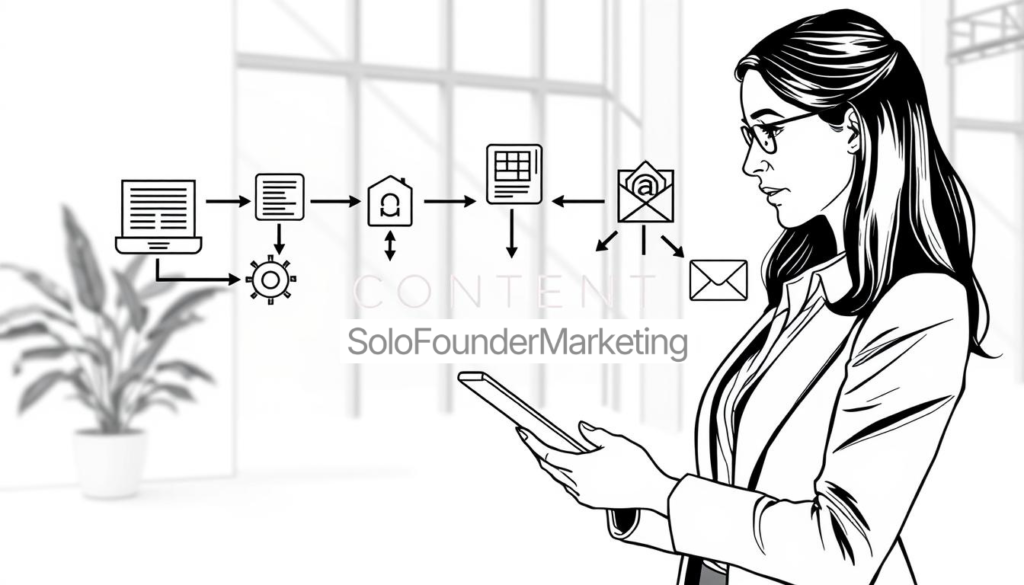
What if everything you’ve been told about understanding your audience is wrong? Traditional methods often demand weeks of work and complex analysis that solo founders simply cannot afford.
I’ve discovered a framework that delivers powerful insights in just two days. This approach focuses on what truly matters for your business growth.
The foundation of any successful venture rests on knowing exactly who you serve. Without this clarity, marketing efforts fall flat and products miss their mark. My streamlined process cuts through the noise to deliver actionable results quickly.
This guide will show you specific methods and tools I’ve used successfully. You’ll learn how to identify your ideal audience profile efficiently.
Key Takeaways
- Traditional audience analysis methods are too slow for solo business owners
- A clear understanding of your target market drives all successful marketing
- The 48-hour framework focuses on high-impact activities only
- Knowing your audience prevents wasted time on ineffective strategies
- Streamlined research delivers immediate actionable insights
- This approach works without large teams or big budgets
- Effective product development depends on audience understanding
Introduction to Customer Research for Solopreneurs
My first business attempt failed because I built what I thought people needed, not what they actually wanted. This painful lesson taught me that intuition alone cannot replace systematic audience understanding.
My Journey in Understanding Customers
I wasted six months developing a product that generated zero interest. The pivotal moment came when I realized my assumptions were costing me both time and money. Systematic customer research changed everything.
Solopreneurs face unique challenges compared to larger organizations. We lack dedicated teams and substantial budgets for traditional analysis methods.
“The biggest risk is building something nobody wants, regardless of how well it’s built.”
Setting the Stage for Rapid ICP Discovery
The mindset shift from immediate execution to strategic investigation actually accelerates growth. Rapid Ideal Customer Profile discovery delivers meaningful insights without months of work.
Understanding your audience goes beyond basic demographics. It includes behaviors, motivations, pain points, and communication channels.
| Research Approach | Time Required | Resource Needs | Result Quality |
|---|---|---|---|
| Traditional Methods | Weeks to Months | High (Team/Budget) | Comprehensive but Slow |
| Rapid ICP Framework | 48 Hours | Low (Solo-Friendly) | Actionable Immediately |
| Guesswork & Assumptions | None | None | Unreliable & Costly |
The 48-hour timeline proves more effective than drawn-out projects that delay action. This approach focuses on what truly matters for solo business growth.
Defining Your Ideal Customer Profile and Its Importance
An Ideal Customer Profile isn’t just a document—it’s your business’s strategic compass. This framework goes beyond basic demographics to include behaviors, motivations, and communication channels. It transforms scattered efforts into focused action.
Understanding My Target Audience
Identifying my ideal audience changed everything. I stopped building what I assumed people needed and started creating what they actually wanted. This shift from potential buyers to loyal advocates transformed my results.
The core components include pain points, goals, and buying behaviors. Understanding these elements provides clear direction for product development. It prevents wasted effort on the wrong people.
Identifying Core Customer Needs and Preferences
This process reveals what drives purchasing decisions. It uncovers the specific features people value most in a service. These insights guide better marketing choices.
Customer needs and preferences evolve over time. Regular updates keep your approach relevant. This ongoing attention ensures your offerings stay aligned with market demands.
Without a clear profile, growth stalls regardless of effort. The right framework delivers immediate actionable insights. It focuses energy where it matters most.
Implementing Effective Customer Research Strategies
My breakthrough came when I realized that depth of understanding matters more than volume of information. I developed a strategic approach that balances thorough investigation with the speed solopreneurs need.
Why I Value In-Depth Customer Insights
Surface-level data tells you what people do. Deep insights reveal why they behave that way. This distinction transforms how you position your offerings.
I work with two main approaches: primary and secondary methods. Primary involves gathering fresh data directly from people. Secondary uses existing information from various sources.
| Research Type | Data Source | Time Investment | Key Strength |
|---|---|---|---|
| Primary Methods | Direct interactions | Higher initial time | Fresh, specific insights |
| Secondary Methods | Existing reports | Faster implementation | Broader context |
| Combined Approach | Both sources | Balanced investment | Comprehensive understanding |
I combine qualitative and quantitative data for complete pictures. Qualitative reveals motivations behind behaviors. Quantitative shows patterns and scale.
The right research methods depend on your specific goals. I choose approaches based on available resources and needed insights. This systematic process ensures I gather actionable data efficiently.
Effective strategies focus on meaningful information rather than massive collections. The goal is understanding that drives real business decisions.
Diverse Methods for Gathering Customer Insights
After testing numerous approaches, I found that combining just two or three research techniques yields the best results for solopreneurs. You don’t need to use every method available.
Exploring Surveys and Interviews
I start with surveys for quick quantitative data. They’re cost-effective and provide broad insights quickly. I craft questions that get high response rates.
For deeper understanding, I conduct one-on-one interviews. Open-ended questions reveal motivations and pain points. This qualitative approach complements survey data perfectly.
Utilizing Competitive Analysis and Review Mining
Competitive analysis serves as a powerful shortcut. I study competitors’ strategies to learn from their successes and failures. This saves tremendous time.
Review mining uncovers unfiltered opinions. I analyze feedback on platforms like G2Crowd and Product Hunt. This reveals what people truly value.
The goal is selecting methods that provide the most valuable insights within your 48-hour timeframe. Focus on what delivers actionable results.
Leveraging Data Analysis and Cutting-Edge Tools
Many solopreneurs collect information but struggle to extract meaningful patterns from their findings. The real breakthrough comes when you learn to transform raw numbers and comments into strategic direction.
My systematic approach to data analysis balances speed with depth. I focus on techniques that deliver immediate actionable insights without overwhelming complexity.
Analyzing Quantitative and Qualitative Data
For quantitative data, I use descriptive statistics and trend analysis. These methods reveal what people are doing and how frequently they take specific actions.
Qualitative analysis involves identifying themes and patterns in interview responses. I look for meaningful quotes that reveal underlying motivations behind behaviors.
The most accurate picture emerges when combining both approaches. People often report different behaviors than what analytics reveal.
Essential tools make this process efficient for solo operators. I recommend starting with Google Analytics for free behavior tracking. Hotjar provides heatmaps and session recordings at $39 monthly.
UXtweak offers comprehensive features for $59, including survey building and user session analysis. SurveySparrow creates engaging surveys for $19 per month.
When choosing tools, consider your budget and technical comfort level. Free options can deliver professional results when used strategically.
Visualizing data effectively helps spot trends quickly. Clear charts and graphs make complex information accessible for fast decision-making.
Integrating Social Media and Online Reviews in My Research
Digital platforms have transformed how I gather authentic insights about my audience. Social media channels and review sites provide immediate access to unfiltered conversations.
These sources reveal genuine sentiments that formal methods often miss. People share honest opinions in their natural online environments.
Gathering Real-Time Feedback from Digital Platforms
I monitor platforms where my ideal audience congregates. Reddit communities and Product Hunt discussions offer rich qualitative data.
Review sites like G2Crowd and Capterra provide structured feedback. I analyze patterns in praise and complaints to understand what people truly value.
| Platform Type | Primary Value | Insight Depth | Time Required |
|---|---|---|---|
| Social Media | Real-time sentiment | High emotional context | Continuous monitoring |
| Review Sites | Structured feedback | Detailed feature analysis | Weekly check-ins |
| Community Forums | Unguarded opinions | Deep pain points | Daily scanning |
This approach captures emerging trends and content preferences directly. It helps me stay aligned with audience needs without extensive formal research.
Overcoming Common Challenges in Customer Research
Collecting data is easy – the real challenge lies in interpreting it without personal bias. Solopreneurs face unique obstacles like limited time and small sample sizes. These constraints demand smarter approaches to gathering reliable information.
I’ve learned that clear objectives serve as essential guardrails. They keep the process focused on actionable insights rather than interesting but irrelevant details. This focus prevents wasted effort on non-essential data.
Avoiding Bias and Misinterpretation
Confirmation bias quietly sabotages many research efforts. We naturally seek information that supports our existing beliefs. I combat this by designing studies that actively challenge my assumptions.
Neutral question design proves crucial for unbiased results. I avoid leading questions that suggest preferred answers. Open-ended questions encourage detailed, honest feedback instead of simple yes/no responses.
There’s often a gap between what people say and what they actually do. Behavioral data provides essential validation for self-reported information. Combining both sources creates more accurate pictures.
Ensuring Reliable and Actionable Data
Maintaining objectivity becomes challenging when you’re emotionally invested. I use techniques to separate personal preferences from audience needs. This detachment leads to better business decisions.
Triangulation strengthens findings by using multiple data sources. When different methods point to the same conclusion, confidence grows. Iteration through additional testing validates initial insights.
Systematic analysis looks for patterns rather than isolated comments. This approach minimizes misinterpretation of individual responses. Consistent methods ensure the information supports strategic decisions.
Translating Insights into Strategic Business Decisions
Raw data means nothing until it drives concrete improvements in your business. I developed a systematic approach that turns findings into actionable strategies.
This framework ensures every insight contributes to growth. It prevents analysis paralysis and keeps momentum strong.
Refining Product and Marketing Approaches
I prioritize features based on what people actually want. This prevents wasting time on innovations nobody needs.
Marketing messages become more effective when grounded in real preferences. Channel selection improves dramatically with proper understanding.
Customer experience enhancements target specific friction points. Simple changes often yield significant satisfaction improvements.
Strategic decisions about pricing and service delivery become more confident. Willingness to pay data informs better packaging choices.
Implementing Continuous Improvement Tactics
I establish regular feedback loops to stay connected to evolving needs. This creates an ongoing conversation rather than periodic check-ins.
Measuring impact validates whether changes produce desired results. Retention rates and satisfaction scores provide clear indicators.
The goal is building systems that automatically incorporate new understanding. This creates businesses that naturally adapt to market shifts.
Case Studies and Real-World Applications
Seeing real results from other solopreneurs makes the 48-hour framework come alive with practical possibilities. These examples demonstrate how systematic understanding transforms business outcomes across different industries.

Success Stories from Solopreneurs
One content creator doubled her conversion rate after identifying an underserved segment in her market. Her two-day investigation revealed specific pain points her competitors overlooked.
A software developer completely pivoted his product service based on direct feedback. He discovered his initial concept solved minor inconveniences rather than addressing core needs.
According to Coschedule, elite marketers conduct audience analysis monthly. This regular attention prevents the 46% breakup rate caused by irrelevant content.
Key Learnings and Measurable Outcomes
The most successful implementations shared common patterns. They focused on specific objectives and acted quickly on gathered insights.
Measurable outcomes included 30% higher retention rates and accelerated revenue growth. These solopreneurs served their market more effectively than larger competitors.
Before-and-after comparisons show dramatic transformations. Businesses moved from assumption-based to customer-informed decision-making with lasting impact.
Conclusion
The most successful solopreneurs I’ve met share one powerful habit: they never stop learning about their audience. This ongoing practice creates a significant competitive advantage that larger companies often struggle to match.
Your 48-hour investment in systematic investigation pays continuous dividends. The framework I’ve shared delivers immediate clarity while establishing patterns for long-term growth.
Start your discovery process today. The methods and tools outlined work specifically for solo operators needing fast, reliable results.
Conducting effective audience analysis forms the foundation for every business decision that follows. This understanding transforms guesswork into confident strategy.
Whatever goals you’re pursuing become more achievable with genuine insight guiding your path. Make this practice your business’s cornerstone.